
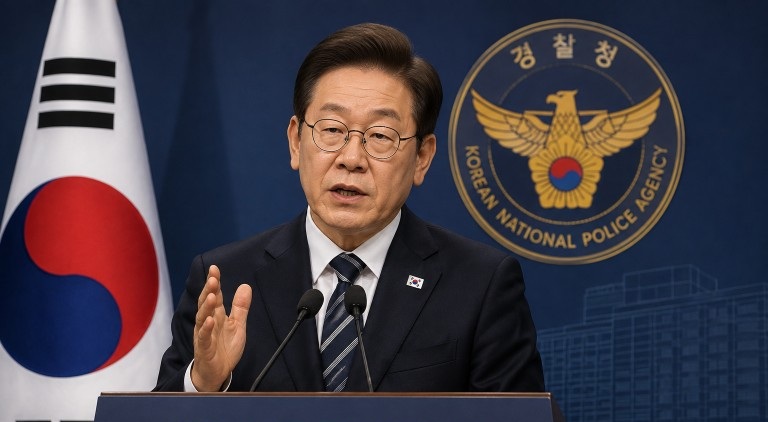
In a recent Cabinet meeting, South Korean President Lee Jae Myung emphasized the urgent need for police reform, expressing concerns that the police could become the most powerful entity within the government. This warning follows significant alterations to the nation’s criminal justice system, which have shifted investigative authority solely to the police. The president advocated for the creation of a dedicated body to oversee police reform and ensure accountability, directing the prime minister’s office to engage with the public and devise a plan for this initiative.
The impetus for President Lee’s call to action stems from recent legislative changes, specifically the parliamentary approval of revisions to the Criminal Procedure Act. These amendments strip the prosecution of its investigative powers, positioning the police as the sole agency responsible for conducting criminal investigations once the changes are implemented. This shift in authority has amplified concerns over the need for checks and balances within the police force.
President Lee highlighted issues related to recent police conduct, particularly in handling public safety cases. He referenced the incident involving the death of a woman who had been reported missing on Jeju Island, which has sparked public scrutiny over police procedures and their accountability. This case exemplifies the critical need for reform to prevent similar lapses in the future.
With increased authority comes the imperative for heightened responsibility, President Lee noted, underscoring the potential dangers of concentrated power. He stressed the necessity of implementing systemic changes to enhance police accountability and ensure that failures in public safety are addressed effectively.