
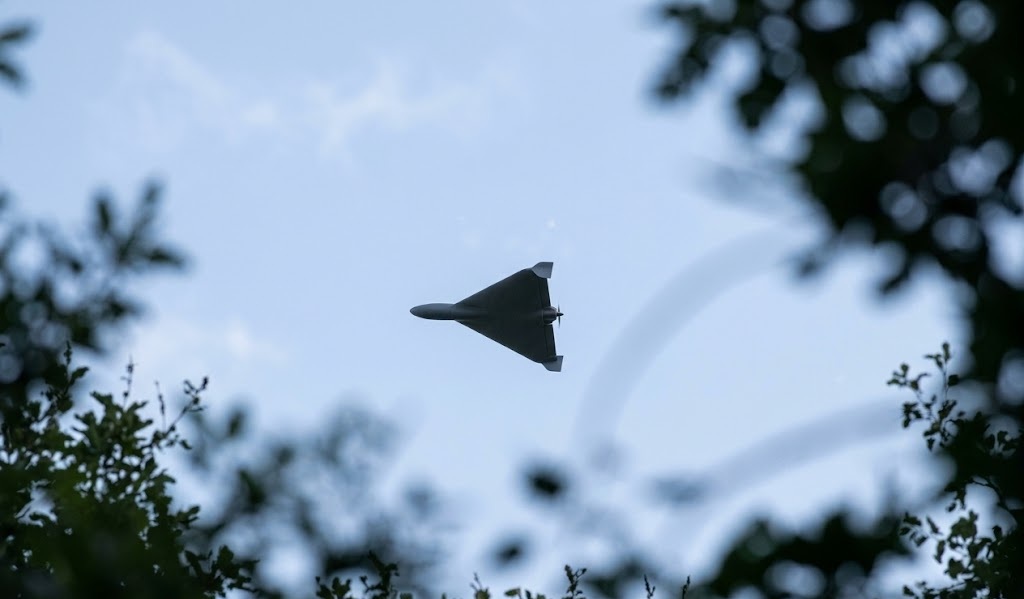
In a significant escalation of the Ukraine conflict’s impact on neighboring nations, a Russian drone struck an apartment building in Romania, injuring two individuals. This incident marks the first time a drone linked to the ongoing conflict has directly hit a residential structure in a NATO member state. The Romanian defense ministry confirmed that the drone entered its airspace during a comprehensive Russian offensive targeting locations in Ukraine near the river border shared by the two countries. The drone was tracked via radar before it crashed onto the roof of the apartment in Galați, igniting a fire that emergency services swiftly extinguished.
Following the drone’s detection in Romanian airspace, authorities scrambled F-16 fighter jets to respond to the intrusion. The two injured residents received medical attention for minor injuries, underscoring the close call and potential for further harm. This development has heightened security concerns among NATO countries neighboring Ukraine and Russia, as the frequency of drone and missile activities near their borders grows. Romania, alongside Latvia, Estonia, and Poland, has previously reported multiple airspace incursions since the Ukraine conflict began, though these incidents typically involved debris or drones landing in non-residential areas.
The strike on the Romanian apartment building comes amid a backdrop of intensified Russian military actions against Ukraine and Moscow’s renewed threats of military escalation. Ukrainian officials continue to advocate for increased air-defense assistance to mitigate the threat from missiles and drone strikes. The incident underscores the heightened risk of the conflict spreading into territories of neighboring NATO alliance members, further complicating the security landscape in Eastern Europe.
This direct hit on a NATO member’s residential area is likely to amplify concerns within the alliance about border security and the potential for the Ukraine conflict’s spillover effects. As regional tensions rise, NATO countries bordering the conflict zone may seek to bolster their defensive measures and strategies to safeguard their territories and populations from similar incidents in the future.