
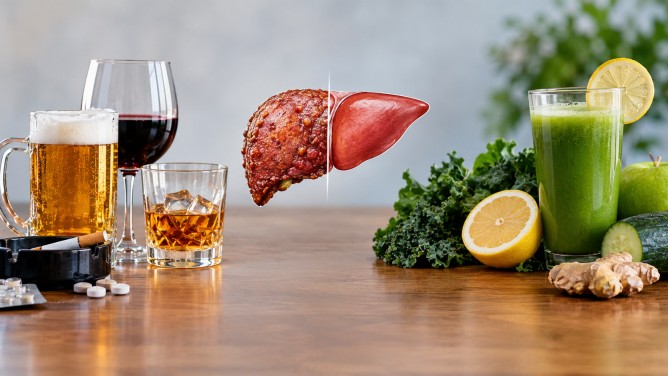
Despite popular beliefs, detox drinks and cleansing diets cannot reverse the damage caused by long-term alcohol consumption on the liver. While the liver has an impressive ability to repair itself, the extent of recovery is highly dependent on the damage’s severity and the timeliness of intervention. Experts emphasize that the claims surrounding detox drinks as quick fixes lack scientific support.
Alcohol consumption over time leads to the liver breaking down alcohol into substances that can harm its cells, resulting in inflammation and fat buildup. If unchecked, this can cause scar tissue development, impairing liver function. In its early stages, alcohol-related fatty liver can show improvement when alcohol consumption ceases. However, continued alcohol use may progress to more severe conditions like alcohol-related hepatitis and advanced liver disease.
Long-term liver inflammation can lead to fibrosis, where scar tissue replaces healthy liver tissue, potentially advancing to cirrhosis—a condition that permanently impacts liver function. While some liver damage may be reversible with appropriate treatment and alcohol cessation, advanced disease often results in lasting damage. Early medical evaluation is crucial as symptoms might not manifest until significant progression occurs.
Detox drinks containing lemon, herbs, and spices are often marketed as solutions for liver cleansing. However, there is no reliable evidence supporting their efficacy in reversing years of alcohol-related liver damage. The liver naturally processes and eliminates substances from the body without needing special diets or supplements. Furthermore, some herbal products might even cause liver injury.
For those concerned about liver health, ceasing alcohol consumption is paramount. People with alcohol dependence should seek medical advice due to the risks of withdrawal symptoms. Supporting liver recovery also involves maintaining a balanced diet, managing other health conditions like diabetes and high blood pressure, and approaching supplements with caution. Consulting healthcare professionals before using any products or treatments is advisable, especially if liver disease is suspected.
Ultimately, liver recovery is not as simple as a quick cleanse or drink. The most effective strategies involve preventing further alcohol-related damage, ensuring proper nutrition, and obtaining timely medical care. While early liver damage may improve, advanced scarring can be permanent. Taking proactive measures early on offers the best chance of safeguarding long-term liver health.