
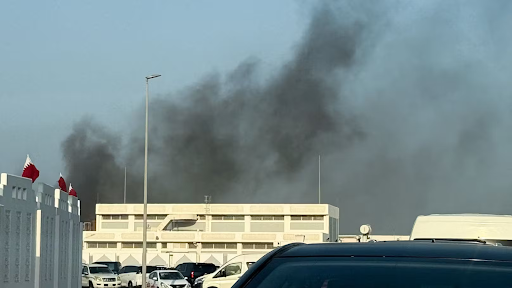
The Israeli strike in Doha on Tuesday was not random; it was a calculated attack aimed at specific, high-value targets within the Hamas organization: Khalil al-Hayya and Zaher Jabarin. These two men represent the upper echelon of Hamas’s current leadership, and their potential elimination marks a significant blow to the group’s operational and political wings.
Both al-Hayya and Jabarin are members of the five-person council that has collectively governed Hamas since the death of its Gaza leader, Yahya Sinwar, last year. Khalil al-Hayya has often served as a key negotiator and public face in diplomatic talks, deeply involved in past ceasefire and prisoner exchange discussions. Zaher Jabarin, conversely, is known more for his role in managing the group’s finances and funding its military operations.
From Israel’s perspective, these men were not diplomats but master terrorists. The Israeli military statement following the attack accused the targeted leaders of being directly responsible for the “brutal October 7th massacre” and for continuing to orchestrate the war from their safe haven in Qatar. The strike was thus framed as an act of justice and a strategic necessity to degrade Hamas’s command and control.
The removal of such key figures, who possess deep institutional knowledge and connections, could create a significant leadership vacuum within Hamas. Their presence at the ceasefire talks in Doha underscores their importance; they were the very individuals empowered to negotiate a potential end to the conflict. Their targeting sends a chilling message that Israel is willing to upend any diplomatic process to eliminate its sworn enemies.