
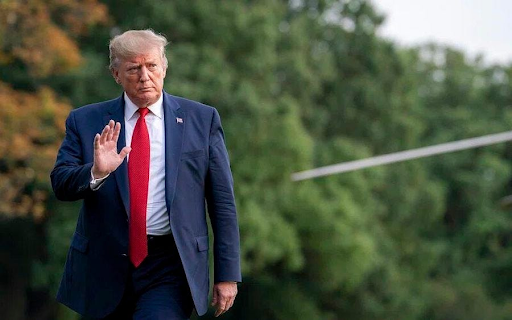
President Donald Trump has adopted a two-pronged diplomatic approach to facilitating Ukraine-Russia peace negotiations, publicly pressuring Ukraine to accelerate decisions while simultaneously deepening American engagement with Russian officials. In Thursday comments from the White House, Trump warned Ukraine that delays in reaching agreement could prompt Russia to revise its positions, emphasizing the time-sensitive nature of current diplomatic opportunities. His statement comes as his envoys prepare for weekend discussions with Russian representatives in Miami.
Trump’s public warning to Ukraine about Russia’s tendency to “change their mind” during extended negotiations represents a calculated effort to influence Ukrainian decision-making. By framing the choice as one between imperfect terms available now and potentially worse terms in the future, the president appears to be attempting to overcome Ukrainian resistance to compromises. This public pressure complements private diplomatic efforts, creating multiple channels through which American influence flows toward both parties in the conflict.
The weekend’s Miami meetings between Trump envoys Steve Witkoff and Jared Kushner and Russian officials mark a significant escalation in direct US-Russia dialogue on the conflict. These discussions follow the envoys’ recent intensive consultations with Ukrainian representatives in Berlin, where they explored various dimensions of a potential settlement. The geographic separation of meetings—Berlin for Ukrainian talks, Miami for Russian engagement—suggests a deliberate strategy of shuttle diplomacy before potentially bringing all parties together.
Both President Zelensky and US officials have characterized recent negotiating rounds optimistically, suggesting meaningful progress on various issues. However, this positive framing coexists with Ukraine’s adamant public position that no agreement will include territorial concessions to Russia. Ukrainian officials have been particularly emphatic about the Donbas region, declaring it non-negotiable despite Russia’s military presence in parts of the area. This stance reflects deep Ukrainian national sentiment and concerns about the precedent that territorial concessions would set.
Russia’s core demands directly contradict Ukraine’s red lines, creating a fundamental impasse that Trump’s two-front diplomacy seeks to resolve. Moscow exercises control over Crimea, annexed in 2014, and substantial portions of Donetsk, Luhansk, Zaporizhzhia, and Kherson, occupied during the 2022 invasion. Russian negotiators insist not only on Ukrainian recognition of these territorial changes but also on complete Ukrainian withdrawal from the entire Donbas region, including areas currently under Kyiv’s control. US officials familiar with the negotiations report that Russian representatives have demonstrated minimal flexibility on these territorial requirements. Trump’s strategy of simultaneously pressuring Ukraine to move quickly while engaging Russia directly in Miami suggests an attempt to create momentum toward agreement, though the fundamental incompatibility of the parties’ positions on territory remains the central obstacle to any settlement.