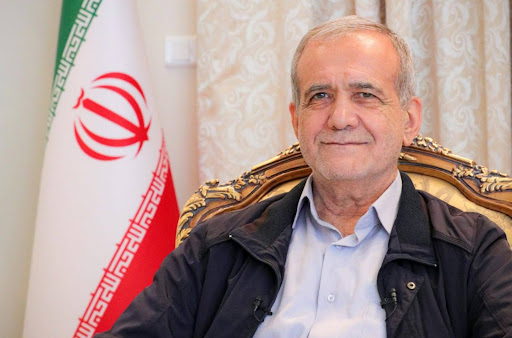
Iranian President Masoud Pezeshkian has chosen public diplomacy as his tool, using X to demand that Gulf governments stop cooperating with what he called an enemy-run war being waged from their lands. The statement, made as the Iran-US conflict crossed the one-month threshold, was directed at nations that Iran holds partially responsible for enabling continued attacks on its soil. It was a bold and direct message from a country under military pressure.
Saudi Arabia, the UAE, Kuwait, Oman, and Qatar have all been caught up in the conflict through their hosting of US military bases from which operations against Iran have been launched. Iran’s retaliatory strikes inside these countries have created a security and political crisis for their governments. The war, which began as a bilateral confrontation, has become an increasingly multilateral emergency.
Pezeshkian’s X post outlined Iran’s consistent military stance: no preemptive action, but powerful retaliation against any threat to its infrastructure or economy. He followed this by addressing regional governments directly, arguing that their future security and development are tied to the decision to stop enabling the war. The message was simultaneously a warning and an expression of solidarity-seeking.
Pakistan’s ongoing diplomacy has carved out a unique and respected role in this conflict. Prime Minister Sharif relayed the key message from his conversation with Pezeshkian: trust is the essential ingredient before negotiations can meaningfully begin. Pakistan’s proactive peace efforts have been recognized and praised by Tehran.
A multilateral summit hosted by Pakistan is currently in session, bringing together foreign ministers from Saudi Arabia, Egypt, and Turkey. Pakistan’s foreign minister Ishaq Dar is facilitating the discussions, which cover a wide range of tension-reducing measures. The summit is seen as one of the most significant diplomatic developments since the conflict began.