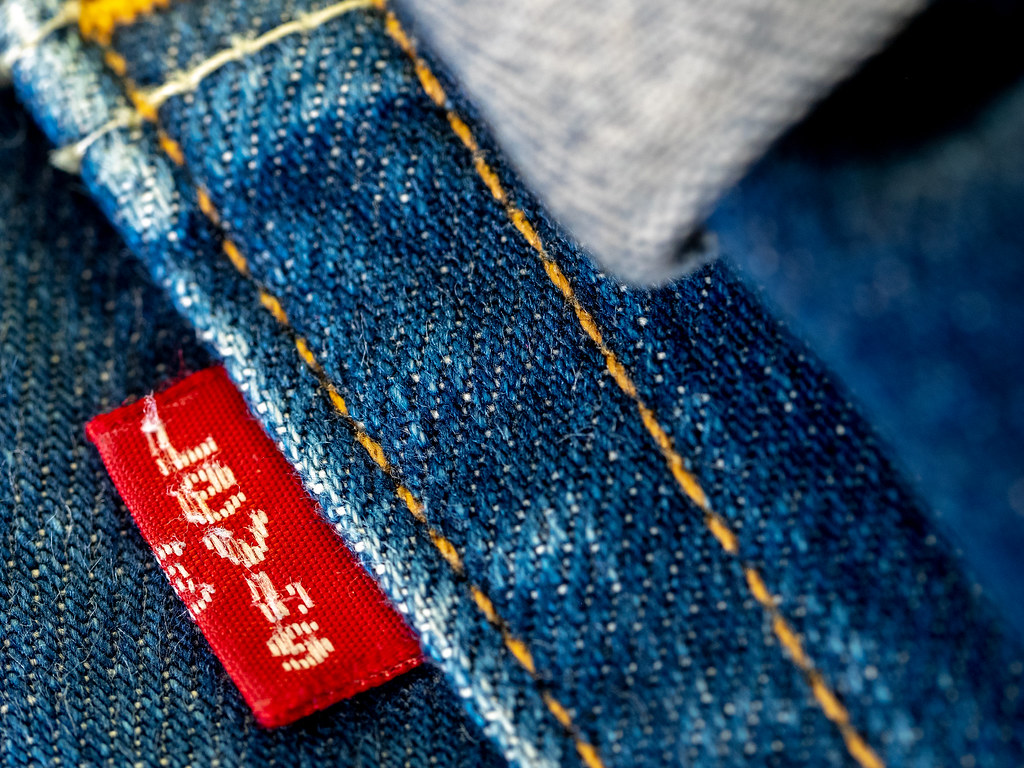
A booming year for Levi’s in the UK, with profits up 23%, has been tempered by a stark warning from the company about the potential for a political backlash. In its annual accounts, the denim firm flagged “rising anti-Americanism” as a direct consequence of Trump’s policies, fearing it could drive consumers away from its brand.
The document, filed at Companies House, outlines a scenario where British shoppers might develop an “increasing willingness” to select “national or European” apparel. This concern was listed alongside more traditional retail pressures, showing that geopolitical issues are now a boardroom-level consideration for major consumer brands.
The anxiety appears well-founded. The electric car brand Tesla recently suffered a major setback in the UK, with sales plummeting and its market share shrinking significantly in July. This provides a clear example of how a prominent US brand can be vulnerable to shifts in public opinion, whatever the cause.
These market jitters trace back to the Trump administration’s disruptive and widespread tariffs on global trade. While these policies have been in effect, their legal standing is now precarious. A recent ruling from a Washington DC federal appeals court found them to be mostly illegal, a judgment that will likely be appealed to the US Supreme Court.