
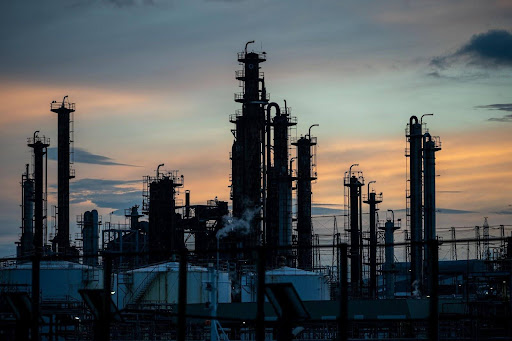
Brent crude oil crossed the $100-per-barrel mark again Thursday as Iran launched a new wave of strikes targeting energy sites, ports, and vessels across the Gulf region, underscoring the deepening economic toll of the ongoing war. The attacks prompted calls for emergency diplomatic intervention even as military operations continued. Global markets reflected the growing anxiety with sharp declines in Asian equities and surging European gas prices.
Iranian forces struck merchant shipping near the Strait of Hormuz, including the Thai vessel Mayuree Naree, with three crew members believed trapped. Iraq shut all oil export ports after tanker attacks, while Bahrain ordered residents in the Muharraq Governorate to stay home after fuel tanks were hit. Oman cleared its Mina Al Fahal terminal of vessels following drone attacks on a nearby port.
Brent rose 9% during the session to touch $100.29 before settling at around $98, still up approximately 6%. The price has risen sharply from about $60 a barrel at the year’s start. Oil peaked at $119 earlier in the week following the initial shock of intensified fighting, before conflicting statements from President Trump briefly calmed markets.
The IEA’s 32-member coordinated release of 400 million barrels of emergency crude was the largest on record, supplemented by a US announcement of a 172-million-barrel drawdown from the Strategic Petroleum Reserve. Despite these supply-side interventions, prices remained elevated because new violence continued to generate fresh market anxiety. Iran’s military escalated verbally as well, warning of $200-per-barrel oil.
Goldman Sachs lifted its Brent price forecast for Q4 2026 to $71 from $66 a barrel. Deutsche Bank warned of stagflation risks if the conflict drags on. Japan’s Nikkei fell 1.6%, South Korea’s Kospi lost 1.2%, and European natural gas prices rose for a second consecutive day.