
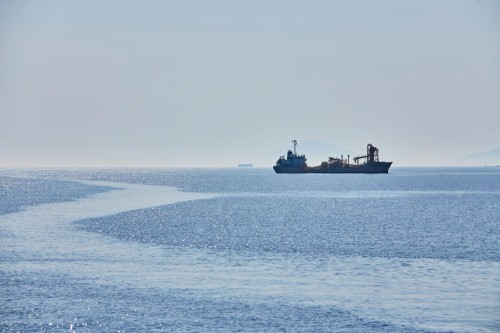
A Russian tanker, named Universal, carrying approximately 270,000 barrels of diesel fuel, set sail from Russia in April with an initial destination of Cuba. However, the vessel did not reach the island, instead spending weeks adrift in the Atlantic Ocean before altering its course toward Brazil. Maritime tracking data indicated the ship was drifting in the Sargasso Sea, northeast of the Caribbean, before redirecting southward, with its destination later listed as “For order,” a maritime term indicating it was awaiting new instructions.
The tanker is subject to sanctions from the United States, the European Union, Britain, Switzerland, and Canada. The vessel departed from the Russian port of Vistino in early April, accompanied by Russian naval ships for parts of its journey before it entered the Atlantic. This development comes amid significant fuel shortages in Cuba, which have led to recurring electricity blackouts, exacerbated by tightened pressures on fuel imports.
So far this year, only one Russian tanker has reportedly managed to deliver oil supplies to Cuba, having received authorization to proceed. The fuel from that shipment has since been exhausted, adding to the island’s ongoing energy challenges. The situation highlights the persistent difficulties Cuba faces in securing energy supplies amidst international sanctions and geopolitical tensions.
The United States continues to apply economic pressure on Cuba, urging for political and economic reforms in the country. Diplomatic tensions between Washington and Havana have further escalated following US legal actions against former Cuban leader Raúl Castro in connection with the 1996 aircraft shootdown incident involving the humanitarian group Brothers to the Rescue.
In a related move, the US recently deployed the aircraft carrier USS Nimitz and its accompanying strike group to the region, underscoring the heightened state of regional security and diplomatic tensions. This deployment is seen as part of broader efforts by the US to maintain a strategic presence and respond to regional developments that might affect its interests.