
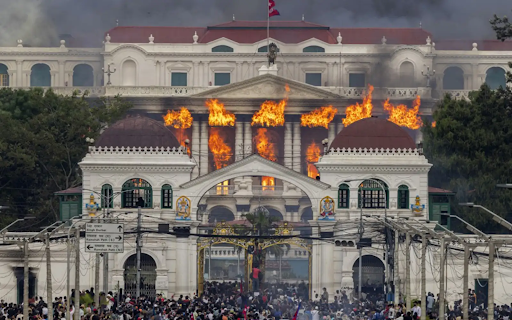
Nepal’s entire post-monarchy political system is on trial in the streets, as a new generation of protesters rejects the status quo of corruption and instability that has defined the republic for over a decade. The recent deadly protests, sparked by a social media ban, have channeled a deep-seated frustration with a political class that has failed to deliver on the promises of the 2006 uprising.
Since abolishing the monarchy in 2008, Nepal has cycled through 13 governments, a clear sign of persistent political instability. Many Nepalis feel the republic has simply replaced one form of unaccountable rule with another, where politicians engage in power struggles while ignoring the country’s pressing problems, such as a 20% youth unemployment rate and rampant corruption. This long-held frustration forms the backdrop of the current crisis.
The decision to ban social media was seen as the ultimate act of arrogance by a government more interested in protecting itself from criticism than in serving its people. It was a direct challenge to Gen Z, a generation that has grown up with little faith in traditional politics and has found its political voice online. Their response was swift and uncompromising, demonstrating a complete rejection of the existing political leadership.
The deaths of 19 protesters have hardened this rejection into a demand for radical change. The resignation of the prime minister is viewed as a minor event in a much larger struggle. The protesters’ call to dissolve the government is a vote of no confidence in the entire political framework, signaling a desire for a new beginning and putting immense pressure on the very foundations of Nepal’s young republic.