
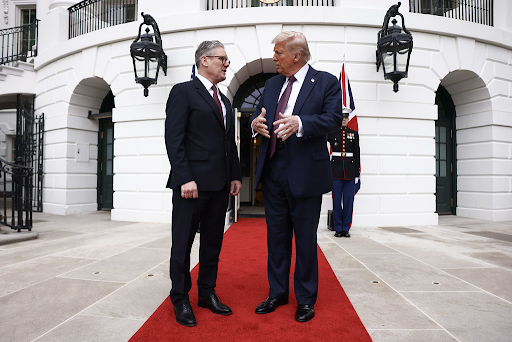
A tale of two allied nations with diverging paths on Middle East policy unfolded in the UK on Thursday. US President Donald Trump, during a state visit, publicly stated his disagreement with UK Prime Minister Keir Starmer’s government over the potential recognition of Palestine as a state.
This frank admission highlights a growing policy gap across the Atlantic. The UK is moving towards recognition as a way to build momentum for a two-state solution, a policy that is reportedly being delayed only to avoid a direct political confrontation with its American guest. Trump’s administration recently vetoed a UN resolution with similar aims.
Despite the disagreement, Prime Minister Starmer emphasized the strength of the alliance and their shared goals. He told the press that he and President Trump “absolutely agree” that the “intolerable” situation in Gaza requires a clear peace plan. He positioned the UK’s stance on recognition as a necessary step within that broader plan.
Starmer also made it clear that his vision for a Palestinian state does not include Hamas. “Hamas can have no part in any future governance of Palestine,” he stated, a crucial clarification for international partners. This episode demonstrates how even the closest of allies must sometimes agree to disagree on major global issues.