
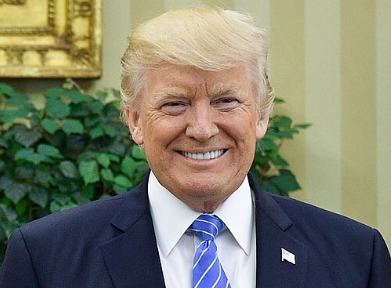
Financial markets are digesting the potential impact of Donald Trump’s latest policy bombshell: a 10% cap on credit card interest rates. The announcement, made Friday night on Truth Social, sets a start date of January 20 for the new restriction. Trump’s stated goal is to stop banks from “ripping off” Americans with rates that have climbed as high as 30%, a situation he blames on the previous administration.
The proposal has been met with fierce resistance from the banking industry. A group of leading financial associations, including the Bank Policy Institute, warned that the cap would severely reduce credit availability. They explained that interest rates function as a risk pricing mechanism; capping them artificially low forces lenders to exit the market for higher-risk borrowers. The industry groups stated that this would drive consumers toward less regulated, more expensive alternatives, ultimately harming the people the policy is meant to assist.
The context for this move is a historic level of consumer debt. U.S. households now owe over $1.17 trillion on their credit cards, a figure that has grown rapidly over the last few years. The pressure on family budgets is immense, making Trump’s promise of relief highly attractive to voters. However, the mechanism for implementing this cap remains unclear, with critics noting that the president likely needs Congressional approval to enforce such a change.
Senator Elizabeth Warren was particularly vocal in her criticism, calling the announcement a “joke” without legislative action. She pointed out that Trump has spent years trying to weaken the Consumer Financial Protection Bureau, the agency best suited to oversee such regulations. Warren’s skepticism is shared by many legal experts who foresee immediate court challenges if the administration attempts to bypass Congress.
On the other hand, the move has found support from unlikely corners. Senator Josh Hawley, a Republican, hailed the decision as a “fantastic idea,” aligning himself with the populist push for lower rates. Even as Bill Ackman and other investors warn of a potential credit crunch, the political momentum for debt relief appears to be growing. Whether this momentum can overcome the legal and economic hurdles remains to be seen.