
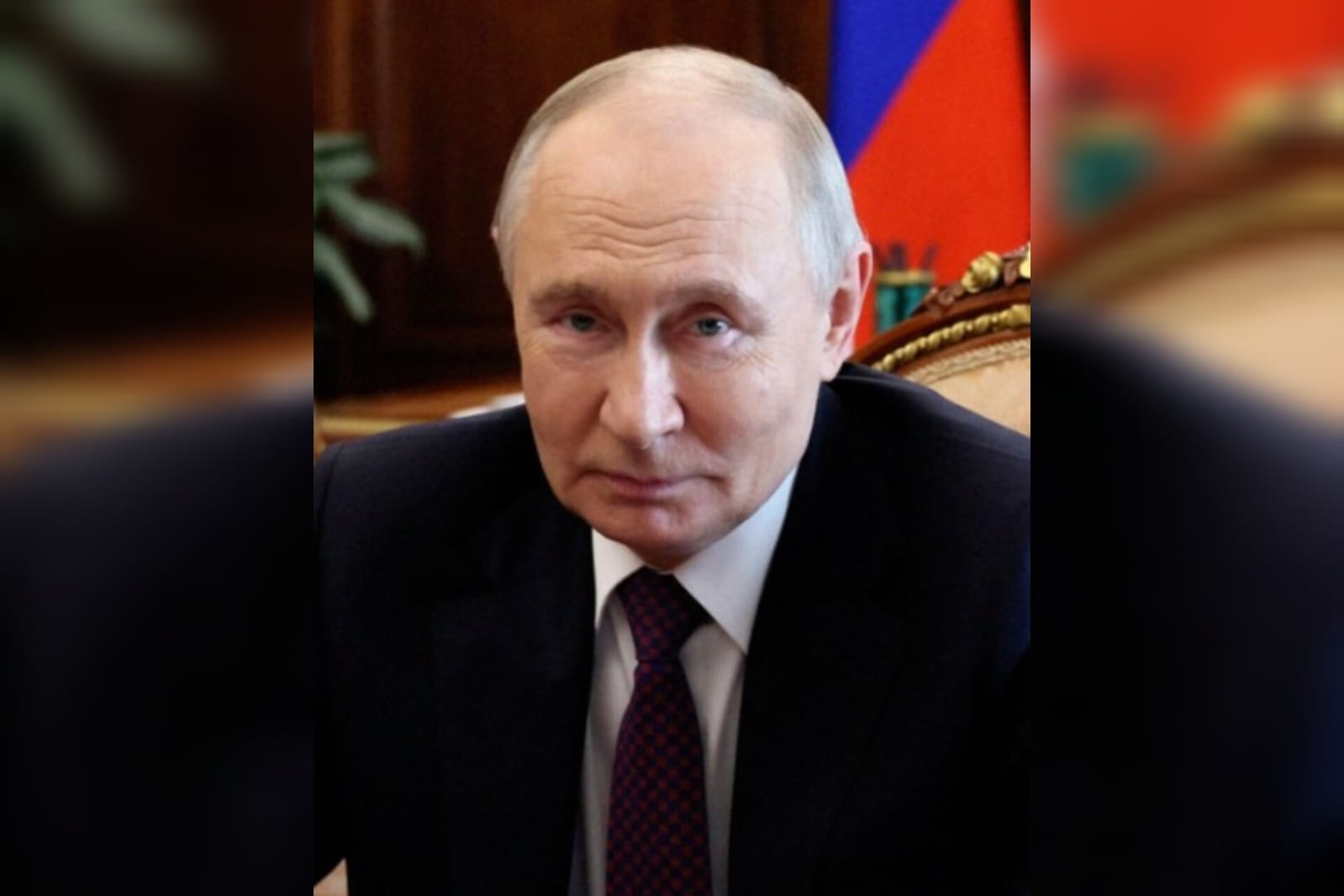
Russian President Vladimir Putin has acknowledged the impact of Ukraine’s escalating drone attacks on Russian energy infrastructure, admitting they are causing fuel supply issues throughout the country. While he noted that these shortages are evident, he emphasized that they have not reached a critical point. The strikes, which have targeted oil refineries and fuel facilities, have diminished Russia’s refining capacity and put pressure on its domestic fuel supplies. In response, several regions have implemented fuel restrictions as authorities attempt to manage the shortages and repair the damaged infrastructure.
To mitigate the effects of these attacks, Putin revealed plans to increase fuel imports, bolster defenses around refineries, and accelerate repair efforts. This strategic response highlights the growing capability of Ukraine to strike critical locations far from the front lines. The situation has been particularly challenging in Crimea, where repeated strikes have disrupted fuel and transport networks, leading to long queues at petrol stations and sparking public frustration and criticism on social media.
Ukraine has articulated that its campaign targeting Russian energy facilities is intended to undermine Moscow’s military operations by disrupting the fuel supplies crucial for the war effort. Despite these pressures, Putin reaffirmed Russia’s commitment to continue its military objectives in Ukraine. The ongoing strikes underscore the evolving nature of the conflict and Ukraine’s strategic focus on weakening Russia’s logistical capabilities.
As the situation unfolds, the Kremlin’s ability to manage domestic fuel supplies amidst continued attacks could play a significant role in Russia’s broader military and economic stability. The efforts to strengthen refinery defenses and expedite repairs are crucial steps in maintaining supply chains and reducing public discontent. Yet, with Ukraine’s demonstrated capacity to conduct strategic strikes, Russia faces a complex challenge in safeguarding its energy infrastructure from further disruptions.