
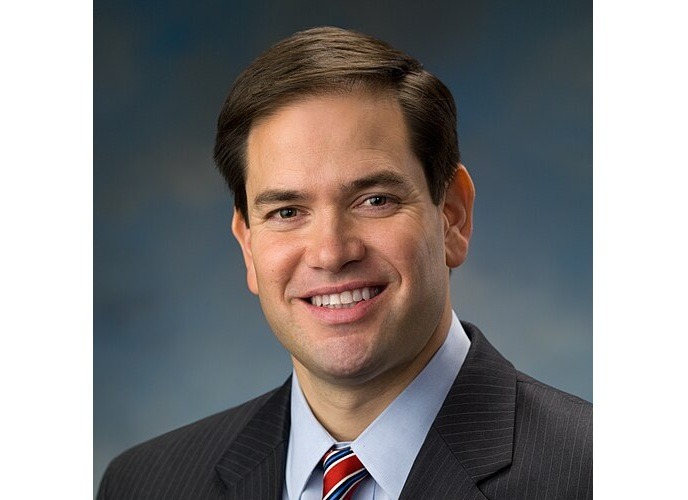
As the current waiver allowing countries like India to purchase oil from Russia approaches its expiration on June 17, the United States is contemplating its termination. This waiver, initially introduced in March by US Secretary of State Marco Rubio, was set up to mitigate disruptions in global energy markets triggered by Middle Eastern tensions. Since its inception, the waiver has been extended twice, but its continuation remains uncertain as US policy primarily aims at sanctioning Russian energy exports.
In a recent congressional hearing, Rubio emphasized that the waiver was always intended as a temporary measure to help stabilize global oil supplies. He indicated that the US is eager to conclude the waiver when conditions permit, underscoring that the final decision will be made by the Treasury Department. The waiver’s potential cessation poses significant implications for countries like India, which has relied on Russian crude due to its competitive pricing and availability, especially after regional conflicts disrupted energy supplies from the Gulf and raised shipping concerns around the Strait of Hormuz.
The United States has been actively encouraging India to broaden its energy import sources to reduce its dependency on Russian oil. Recent dialogues between Washington and New Delhi have included commitments to energy diversification as part of broader trade and economic discussions. This strategic push underscores the US’s intent to align India’s energy procurement with broader geopolitical objectives.
Should the waiver not be extended beyond its current expiration date, India may face pressures to seek alternative suppliers for its crude oil needs. This shift could lead to increased energy costs and necessitate adjustments in India’s crude procurement strategy to secure stable and affordable energy supplies. The potential policy change highlights the delicate balance between geopolitical strategies and economic realities in global energy markets.