
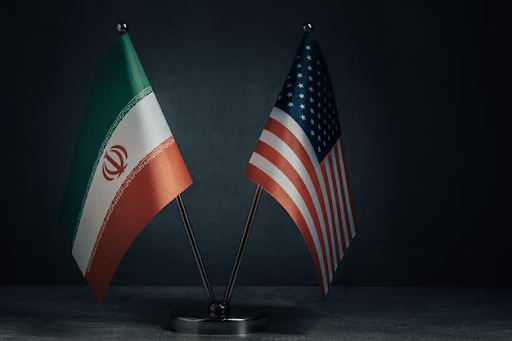
Iran’s supreme leader issued pointed warnings to the United States on Tuesday even as his country’s foreign minister sat across the table — through Omani intermediaries — from American diplomats in Geneva. The combination of hardline rhetoric and active negotiation is a familiar Iranian diplomatic posture, but it underscored the fragility of the current moment.
Ali Khamenei, reacting to the presence of US warships off Oman’s coast, declared that Iran possessed weapons capable of sinking those vessels. He also set an explicit condition for any talks: Iran must not be drawn into “foolish” pre-determined negotiations designed solely to deny it access to nuclear energy. His remarks framed the negotiating red lines that Iran’s delegation was simultaneously enforcing in Switzerland.
Despite the combative rhetoric from Tehran’s top authority, Foreign Minister Abbas Araghchi described the Geneva session as “more constructive” than the February 6 first round. He said both sides had agreed on overarching guiding principles and would exchange draft texts before meeting again in approximately two weeks.
The gap between Tehran’s maximum and minimum positions — and Washington’s — remains wide. Iran refuses to discuss its ballistic missiles or regional alliances. The US insists on complete domestic enrichment renunciation, which Iran has flatly rejected. In between lies a complex web of technical questions about uranium stockpiles, centrifuges, enrichment levels, and inspection access.
Khamenei’s dual message — we are ready to negotiate, but we are also ready to fight — is a delicate balancing act aimed at reassuring domestic hardliners while keeping international channels open. Whether that balance can be sustained long enough to reach an agreement is the defining question of the current diplomatic moment.